
BL
Bharat Law Team
30 Sept·11 min read
The 0.4% Question: Who Really Pays for UPI?
From 15 October, UPI merchant payments above ₹2,000 carry a 0.4% fee. The Supreme Court asked whether it is a fee or a tax — and who decides.
Tag
Bharat Law Team
30 Sept·11 min read
From 15 October, UPI merchant payments above ₹2,000 carry a 0.4% fee. The Supreme Court asked whether it is a fee or a tax — and who decides.
Bharat Law Team
17 Sept·10 min read
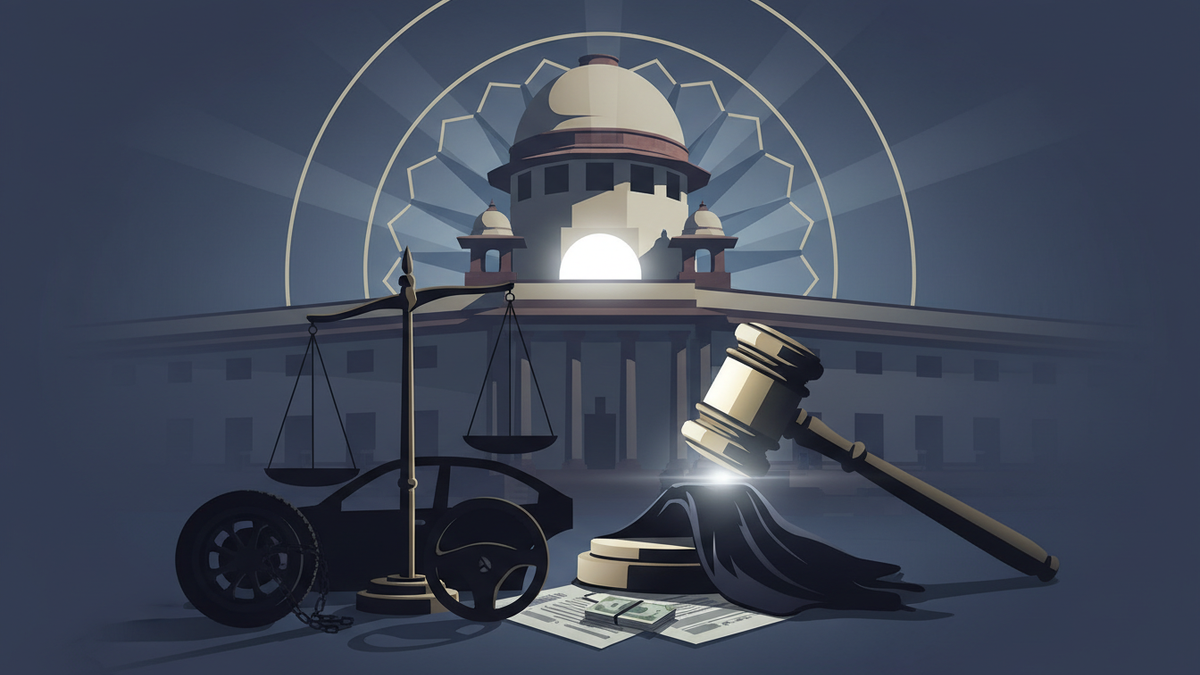
Supreme Court awards Rs 10 lakh to a truck owner seized at 1am without notice, rules self-help repossession clauses must be strictly followed, and orders RBI to enforce its recovery guidelines.
Bharat Law Team
6 Sept·9 min read
The Supreme Court holds RBI's power to supersede a multi-State co-operative bank's board runs for up to five years, not six months, and needs no state consultation.
Bharat Law Team
7 Jan·8 min read
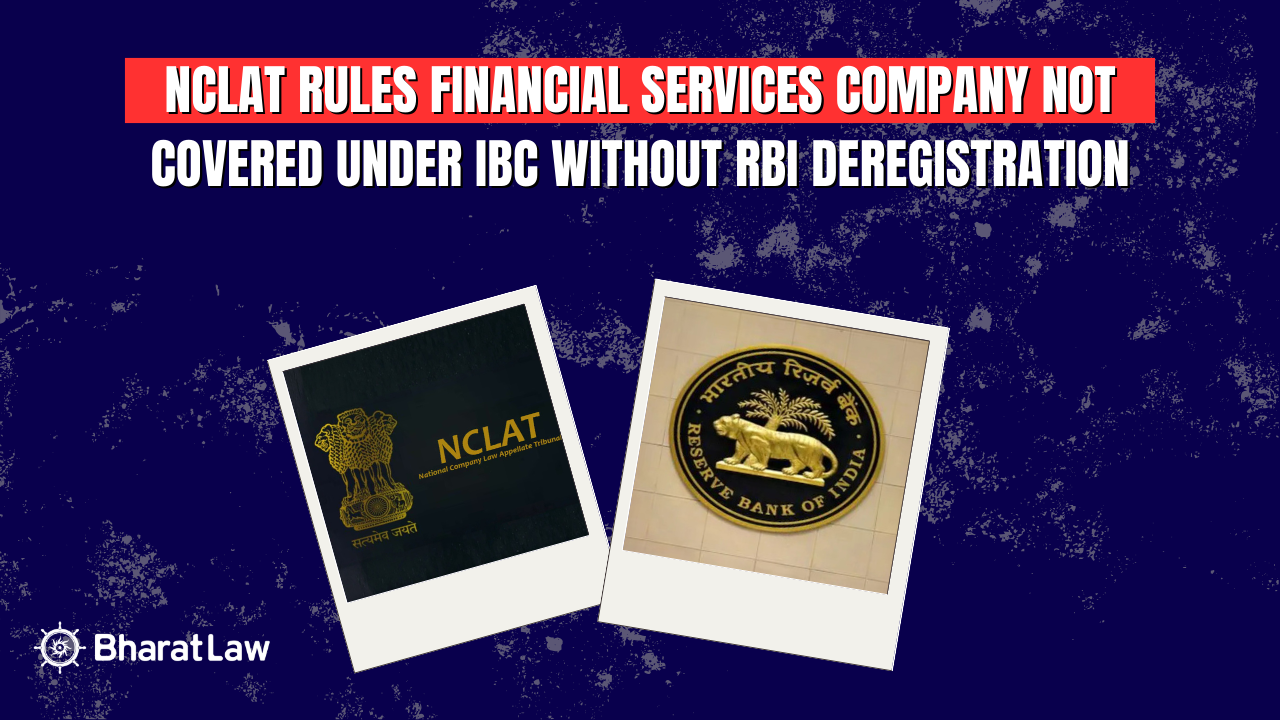
In a significant clarification of India’s insolvency framework, the NCLAT has ruled that an RBI regulated financial services company cannot be treated as a “corporate debtor” under the IBC unless the central bank cancels its registration. The decision, delivered in the Jumbo Finvest case, draws a clear line between financial sector regulation and the corporate insolvency process.
Bharat Law Team
28 Oct·6 min read
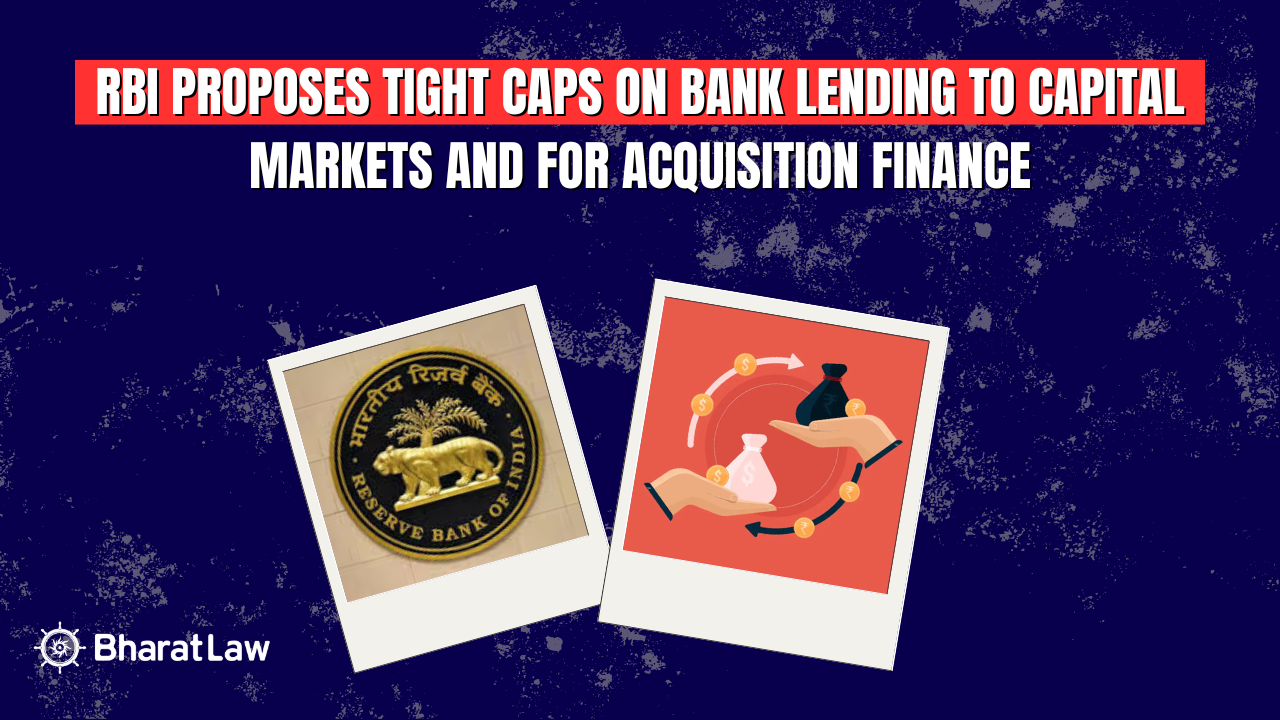
The RBI proposed new exposure norms, capping banks' direct lending to capital markets and acquisition finance at 20% of Tier-1 capital each (40% aggregate) to mitigate concentration risk and enhance financial stability.
Bharat Law Team
7 Oct·5 min read
RBI Formalizes Self-Regulation in the NBFC Ecosystem In a landmark regulatory development, the Reserve Bank of India (RBI) has officially...
Bharat Law Team
2 Sept·4 min read
The RBI has imposed penalties on several district central co-operative banks, including Nanded and Vijayapura, for lapses in PSL norms, capital adequacy, and governance. The 28 August 2025 orders highlight the regulator’s enforcement-driven approach and judicial deference to RBI discretion. For banking lawyers, the move signals stricter compliance expectations and reputational risks for clients in the co-operative sector.
Bharat Law Team
5 Aug·4 min read
Introduction In a significant regulatory development, the Reserve Bank of India (RBI) has issued fresh directions prohibiting all...
Bharat Law Team
15 Jul·3 min read
India's digital lending sector faces increased scrutiny from both the judiciary and the RBI. A PIL in the Gujarat High Court targets predatory practices like usurious interest rates and coercive recovery methods. In response, the RBI's Digital Lending Directions aim to protect consumers by mandating direct fund flows, requiring a standardized Key Fact Statement (KFS) for transparency, and prohibiting apps from accessing a user's contact list or personal files without explicit consent.
You've read them all!